Monday, December 2nd, 2024
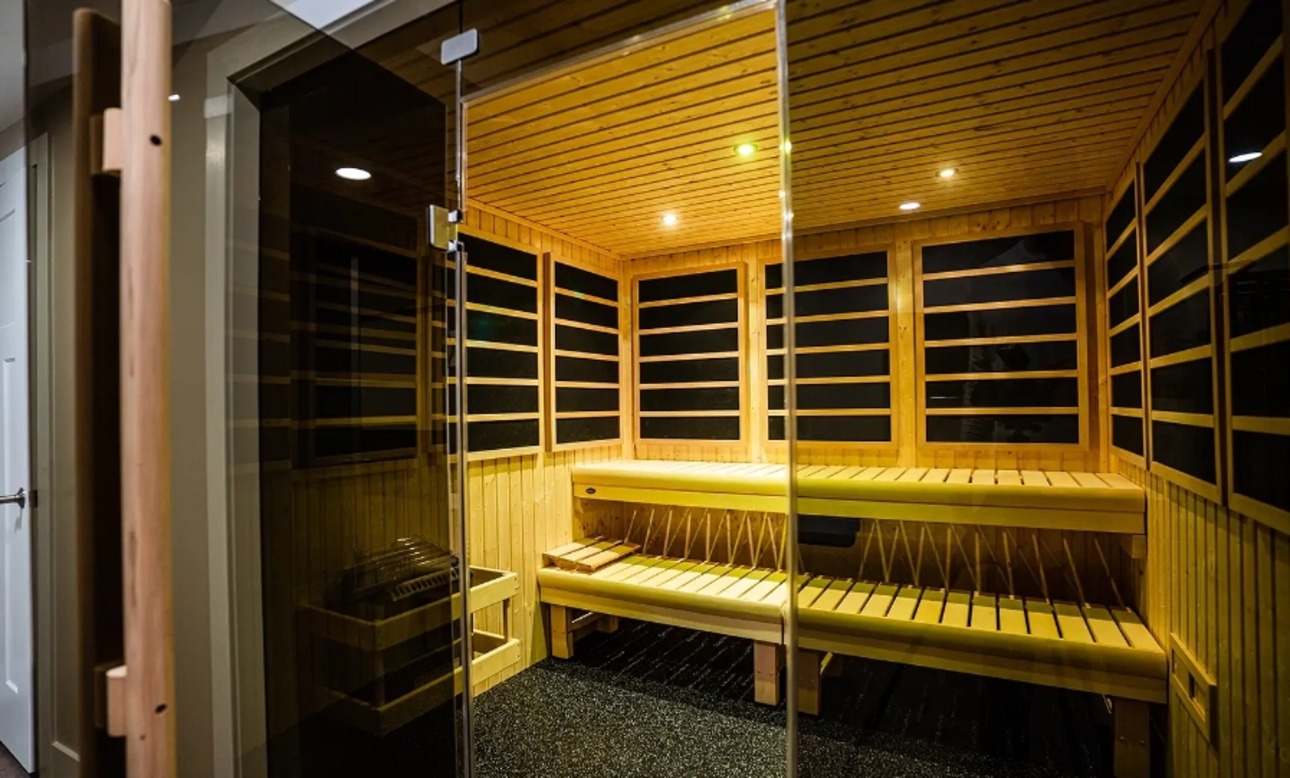
If you’ve ever been in a sauna, you know that it’s the ultimate relaxation experience. The heat and humidity of a Finnleo sauna help to flush out toxins, relieve stress, and soothe sore muscles. With all of these benefits, it’s natural to want to take your phone with you so you can listen to music or catch up on emails while you sweat it out.
But can you actually bring your phone into a sauna? The quick answer is no.
Why You Shouldn’t Bring Your Phone in a Sauna
First and foremost, most electronic devices are not designed to withstand high temperatures and humidity levels. Exposing them to extreme heat and moisture can cause damage or malfunction. This is especially true for smartphones, which are made of delicate components that can easily get damaged.
Additionally, the high temperature and humidity in saunas can cause your phone to overheat which not only affects its performance, but also poses a safety risk. Overheating phones have been known to catch fire or explode, which is definitely not something you want happening while you’re trying to relax.
Alternatives to Bringing Your Phone in a Sauna
Luckily, there are plenty of alternatives to using your phone in a sauna. Many saunas offer built-in speakers or Bluetooth connectivity, allowing you to listen to music without having to bring your phone inside. Some even offer televisions specially designed for a hot and humid environment!
If listening to music or catching up on emails is a must for you, consider investing in a waterproof and heat-resistant phone case. This will provide some protection for your phone while still allowing you to use it in the sauna. Just make sure to check its temperature limits before using it.
Tips for Using Your Phone in High-Temperature Environments
If you absolutely have to bring your phone into a high-temperature environment like a sauna, here are some tips to keep it safe:
- Keep your phone out of direct contact with the heat source, such as by placing it on a towel or away from the hottest parts of the sauna.
- Limit your usage time and turn off unnecessary apps that may increase the phone’s temperature.
- Keep your phone away from water and moisture by placing it in a waterproof case or bag.
- Allow your phone to cool down before using it again outside of the sauna.
While it may be tempting to bring your phone into a sauna, it’s best to leave it out for both its safety and yours. Instead, take this time as an opportunity to disconnect and fully immerse yourself in the relaxation experience. If you must use your phone, make sure to take necessary precautions and keep it safe from the heat and humidity. Saunas are meant to be a rejuvenating and detoxifying experience, so put down your phone and enjoy the benefits of unplugging for a little while. So, next time you hit the sauna, remember to leave your phone behind and fully embrace the detoxifying and rejuvenating experience it offers. Your mind and body will thank you for it! Keep calm and sweat on.
The post Can You Take Your Phone in a Sauna? appeared first on Bachmanns Pools & Spas.
Posted in Backyard Fun, Finnleo Saunas Blog, Saunas | Comments Off on Can You Take Your Phone in a Sauna?
Monday, December 2nd, 2024
Saunas and steam rooms are both popular options for relaxation, detoxification, and health benefits. However, many people confuse themor assume they offer the same benefits. In reality, saunas and steam rooms have distinct differences in terms of heat level, humidity level, and overall experience.
Here’s a breakdown of the main differences between a Finnleo sauna and a steam room:
Heat Level
Saunas are traditionally heated with dry air using hot stones or electric heaters. This results in temperatures as high as 190-200 degrees Fahrenheit (88-93 degrees Celsius). The intense heat causes your body to sweat profusely, promoting circulation and flushing out toxins.
In contrast, steam rooms use wet heat in the form of steam produced by boiling water. The temperature in a steam room is typically lower, ranging from 110-120 degrees Fahrenheit (43-49 degrees Celsius). While you will still sweat in a steam room, it will not be as intense as in a sauna.
Humidity Level
The humidity level is another key difference between saunas and steam rooms. Saunas have low humidity levels, typically around 10-20%, due to the dry air. This makes breathing easier and more comfortable for many people.
On the other hand, steam rooms have high humidity levels of up to 100%. The dense steam can make it difficult to breathe for some individuals, especially those with respiratory issues.
Experience
The experience in a sauna and a steam room can also vary greatly. In a sauna, you typically sit on a wooden bench while the dry heat envelops your body. Some people enjoy adding water to the hot stones or using essential oils for aromatherapy benefits.
In comparison, steam rooms often have tiled or marble walls and benches, and you may sit or lie down as the steam surrounds you. Many steam rooms also feature aromatherapy options through infused scents or essential oils.
Health Benefits
Both saunas and steam rooms offer health benefits, but they may differ due to their distinct environments. Saunas are known for several health benefits including promoting detoxification, improving circulation, and relieving muscle pain and tension.
In contrast, steam rooms are excellent for respiratory health as the humid air can help clear your sinuses and loosen congestion. The high humidity level also benefits your skin by opening up pores and hydrating it.
Choosing the Right Option
Ultimately, whether you choose a sauna or a steam room depends on personal preference and specific health goals. If you prefer intense heat and dry air, a sauna may be the better option for you. On the other hand, if you enjoy a milder heat with more humidity, a steam room may suit your needs.
Additionally, consider any potential health concerns or limitations before using either facility. For example, individuals with heart conditions or high blood pressure may need to consult with a doctor before using a sauna, while those with respiratory issues may find relief in a steam room.
The main differences between saunas and steam rooms lie in their heat levels, humidity levels, experiences, and health benefits. While they share some similarities, understanding these distinctions can help you make an informed decision about which option is best for you. Whether you choose to relax in a sauna or steam room, both offer unique ways to unwind and reap potential health benefits and our friednly team of experts at Bachmanns is here to help guide you in your research process!
The post Sauna vs Steam Room: Understanding the Differences appeared first on Bachmanns Pools & Spas.
Posted in Backyard Fun, Finnleo Saunas Blog, Infrared, Saunas | Comments Off on Sauna vs Steam Room: Understanding the Differences
Monday, December 2nd, 2024
Saunas and steam rooms are both popular options for relaxation, detoxification, and health benefits. However, many people confuse themor assume they offer the same benefits. In reality, saunas and steam rooms have distinct differences in terms of heat level, humidity level, and overall experience.
Here’s a breakdown of the main differences between a Finnleo sauna and a steam room:
Heat Level
Saunas are traditionally heated with dry air using hot stones or electric heaters. This results in temperatures as high as 190-200 degrees Fahrenheit (88-93 degrees Celsius). The intense heat causes your body to sweat profusely, promoting circulation and flushing out toxins.
In contrast, steam rooms use wet heat in the form of steam produced by boiling water. The temperature in a steam room is typically lower, ranging from 110-120 degrees Fahrenheit (43-49 degrees Celsius). While you will still sweat in a steam room, it will not be as intense as in a sauna.
Humidity Level
The humidity level is another key difference between saunas and steam rooms. Saunas have low humidity levels, typically around 10-20%, due to the dry air. This makes breathing easier and more comfortable for many people.
On the other hand, steam rooms have high humidity levels of up to 100%. The dense steam can make it difficult to breathe for some individuals, especially those with respiratory issues.
Experience
The experience in a sauna and a steam room can also vary greatly. In a sauna, you typically sit on a wooden bench while the dry heat envelops your body. Some people enjoy adding water to the hot stones or using essential oils for aromatherapy benefits.
In comparison, steam rooms often have tiled or marble walls and benches, and you may sit or lie down as the steam surrounds you. Many steam rooms also feature aromatherapy options through infused scents or essential oils.
Health Benefits
Both saunas and steam rooms offer health benefits, but they may differ due to their distinct environments. Saunas are known for several health benefits including promoting detoxification, improving circulation, and relieving muscle pain and tension.
In contrast, steam rooms are excellent for respiratory health as the humid air can help clear your sinuses and loosen congestion. The high humidity level also benefits your skin by opening up pores and hydrating it.
Choosing the Right Option
Ultimately, whether you choose a sauna or a steam room depends on personal preference and specific health goals. If you prefer intense heat and dry air, a sauna may be the better option for you. On the other hand, if you enjoy a milder heat with more humidity, a steam room may suit your needs.
Additionally, consider any potential health concerns or limitations before using either facility. For example, individuals with heart conditions or high blood pressure may need to consult with a doctor before using a sauna, while those with respiratory issues may find relief in a steam room.
The main differences between saunas and steam rooms lie in their heat levels, humidity levels, experiences, and health benefits. While they share some similarities, understanding these distinctions can help you make an informed decision about which option is best for you. Whether you choose to relax in a sauna or steam room, both offer unique ways to unwind and reap potential health benefits and our friednly team of experts at Bachmanns is here to help guide you in your research process!
The post Sauna vs Steam Room: Understanding the Differences appeared first on Bachmanns Pools & Spas.
Posted in Backyard Fun, Finnleo Saunas Blog, Infrared, Saunas | Comments Off on Sauna vs Steam Room: Understanding the Differences
Monday, December 2nd, 2024
Posted in Backyard Fun, Finnleo Saunas Blog, Infrared, Saunas | Comments Off on Should You Buy a Traditional or Infrared Sauna?
Monday, December 2nd, 2024
Posted in Backyard Fun, Finnleo Saunas Blog, Infrared, Saunas | Comments Off on Should You Buy a Traditional or Infrared Sauna?
Wednesday, August 7th, 2024
Saunas are becoming increasingly popular because they are a great way to relax and unwind after a long day. Not only that, but they provide numerous health benefits such as improving circulation, detoxifying the body, and reducing stress levels, even in the summer!
It is pretty common to think that saunas, like those from Bachmanns Pools, Spas & Saunas, can only be safely used in the winter but with some simple adjustments and precautions, you can continue to enjoy your sauna on the hottest days of the year.
Preparing Your Sauna
Before using your sauna in the summer, it is important to make sure that it is clean and well-maintained. This includes regularly cleaning the walls, benches, and flooring to prevent any build-up of bacteria or germs.
It is also a good idea to check the temperature control settings on your sauna heater. If it has been set at a high temperature during the winter months, make sure to adjust it to a lower setting for summer use. This will help prevent overheating and discomfort.
Timing Your Sauna Sessions
During the summer, it is important to be mindful of the time you spend in your sauna. Heat exhaustion and dehydration can occur if you spend too much time in a hot environment.
To prevent this, limit your sauna sessions to no more than 15-20 minutes at a time. Take breaks in between sessions and make sure to hydrate yourself with plenty of water or electrolyte-rich drinks.
It is also a good idea to schedule your sauna session for the cooler parts of the day, such as early morning or evening. This will help minimize the effects of heat and humidity on your body.
Dressing Appropriately
While it may be tempting to go into your sauna wearing as little clothing as possible during the summer, it is important to still dress appropriately. Choose lightweight and breathable fabrics such as cotton or linen, and avoid synthetic materials that can trap heat and make you uncomfortable.
It is also recommended to bring a towel with you into the sauna to sit on, as it will help absorb sweat and prevent your skin from sticking to the hot benches.
Staying Hydrated
As mentioned earlier, hydration is key when using a sauna in the summer. Make sure to drink plenty of water before, during, and after your sauna session. You can also opt for coconut water or sports drinks that contain electrolytes to replace any lost fluids and minerals.
After finishing your sauna session, it is important to cool down gradually by spending some time in a cooler area of your home or taking a cool shower. This will help regulate your body temperature and prevent any sudden drops in blood pressure.
Using your sauna in the summer can be a safe and enjoyable experience with some simple adjustments. By preparing your sauna, timing your sessions, dressing appropriately, and staying hydrated, you can continue to reap the benefits of this traditional relaxation method even in the hottest months of the year. So don’t let the heat stop you from enjoying your sauna – just remember to take precautions and listen to your body for a comfortable and rejuvenating experience.
The post Using Your Sauna In The Summer appeared first on Bachmanns Pools & Spas.
Posted in Finnleo Saunas Blog, Infrared, Saunas | Comments Off on Using Your Sauna In The Summer
Thursday, June 13th, 2024
Posted in Finnleo Saunas, Finnleo Saunas Blog, Syndified™ | Comments Off on HGTV Canada’s Scott’s Vacation House Rules Features Euro Outdoor Sauna
Wednesday, March 20th, 2024
Posted in Finnleo Saunas, Finnleo Saunas Blog, Syndified™ | Comments Off on Improve Mental Health with a Regular Sauna Routine
Wednesday, March 20th, 2024
Posted in Finnleo Saunas, Finnleo Saunas Blog, Syndified™ | Comments Off on Improve Mental Health with a Regular Sauna Routine
Wednesday, March 20th, 2024
Posted in Finnleo Saunas, Finnleo Saunas Blog, Syndified™ | Comments Off on Outdoor Sauna with Timeless Nordic Design